What Living In Key Haven Really Looks Like
May 14, 2026
May 14, 2026
If you are picturing Key Haven as an extension of busy Key West, the day-to-day reality is a little different. This small residential pocket feels more like a water-based home base, where canals, docks, and storm prep shape everyday life as much as dining out or heading into town. If you are wondering whether it fits the way you actually want to live, this guide will help you see the neighborhood more clearly. Let’s dive in.
Key Haven sits in Monroe County’s Stock Island and Key Haven planning area around mile markers 4 to 6. County planning materials describe it as an established neighborhood of market-rate single-family homes, with only two access roads into the area: Key Haven Road and Key Haven Drive.
That layout matters more than it may seem at first. It helps create a quieter, more residential setting than nearby Key West, even though you are still close to the city. In practical terms, Key Haven feels like a tucked-away corridor with a clear neighborhood identity.
One of the biggest draws of Key Haven is balance. You can stay near Key West while living in an area that reads more residential than mixed-use.
County planning documents describe nearby Stock Island as a broader maritime and working-waterfront area. By contrast, Key Haven stands out as the single-family residential pocket within that corridor. If you want access to town without feeling surrounded by constant activity, that distinction is important.
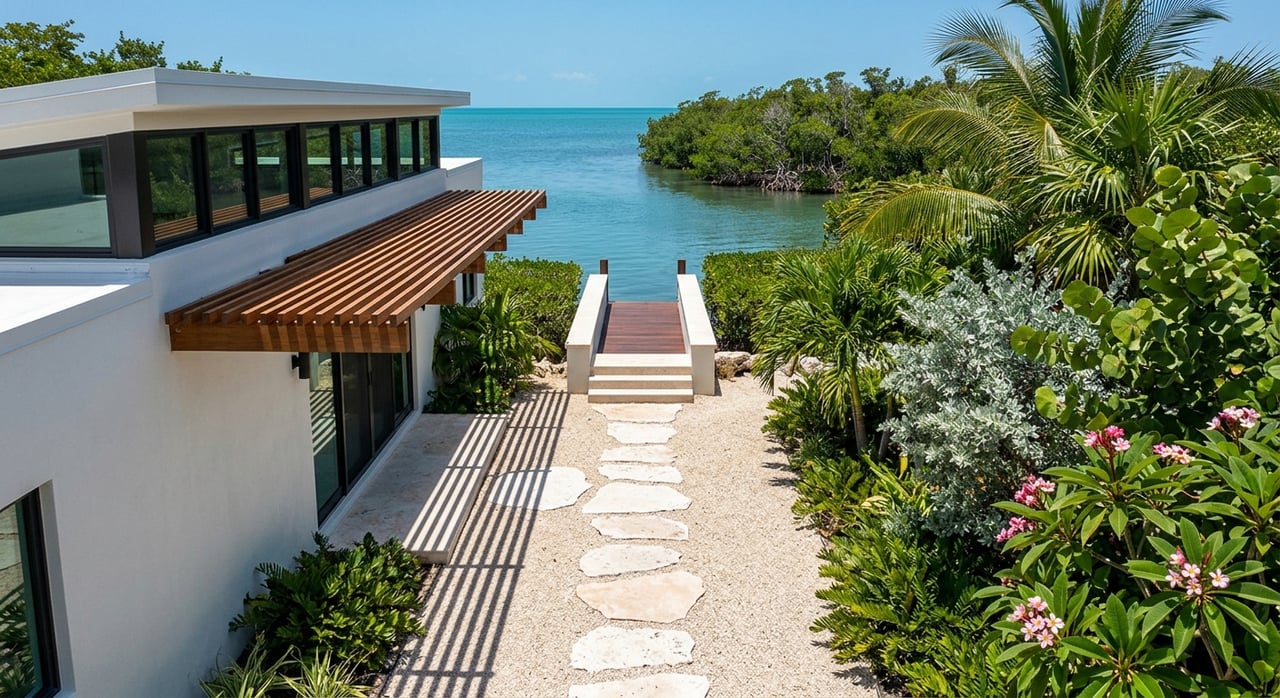
In Key Haven, the waterfront is not just a backdrop. It is part of how many properties function.
Monroe County planning documents note that Stock Island and Key Haven include many canals and harbor areas, and the county’s residential canal inventory includes Key Haven entries. That means canal access is part of the official neighborhood fabric, not just a marketing phrase.
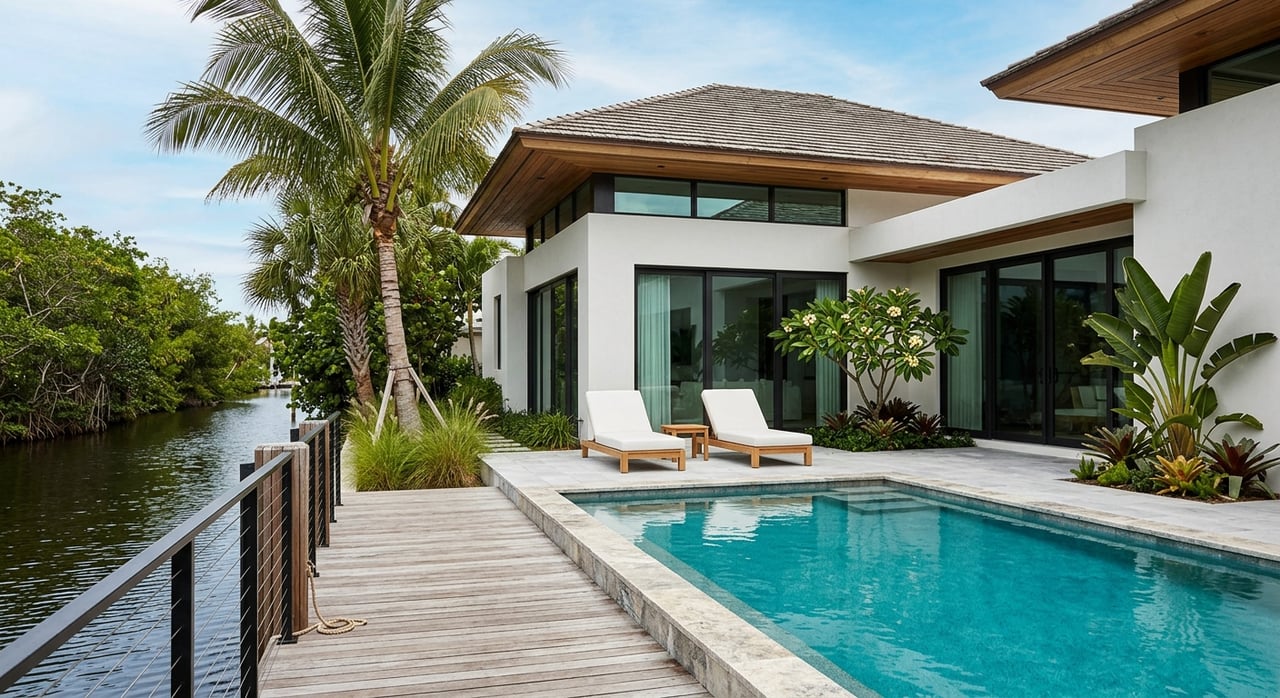
For many buyers, this is the main appeal. Homes here often connect directly to a boating lifestyle, whether that means keeping a boat close by, planning fishing trips, or simply enjoying a property designed around the water.
Recent Monroe County permit records show work tied to residential docks, boat lifts, seawalls, pools, exterior stairs, window and door upgrades, and lift-related improvements on single-family or duplex-only permits in Key Haven. While permits do not describe every home, they do point to the features many owners care about most.
Common priorities in this kind of setting often include:
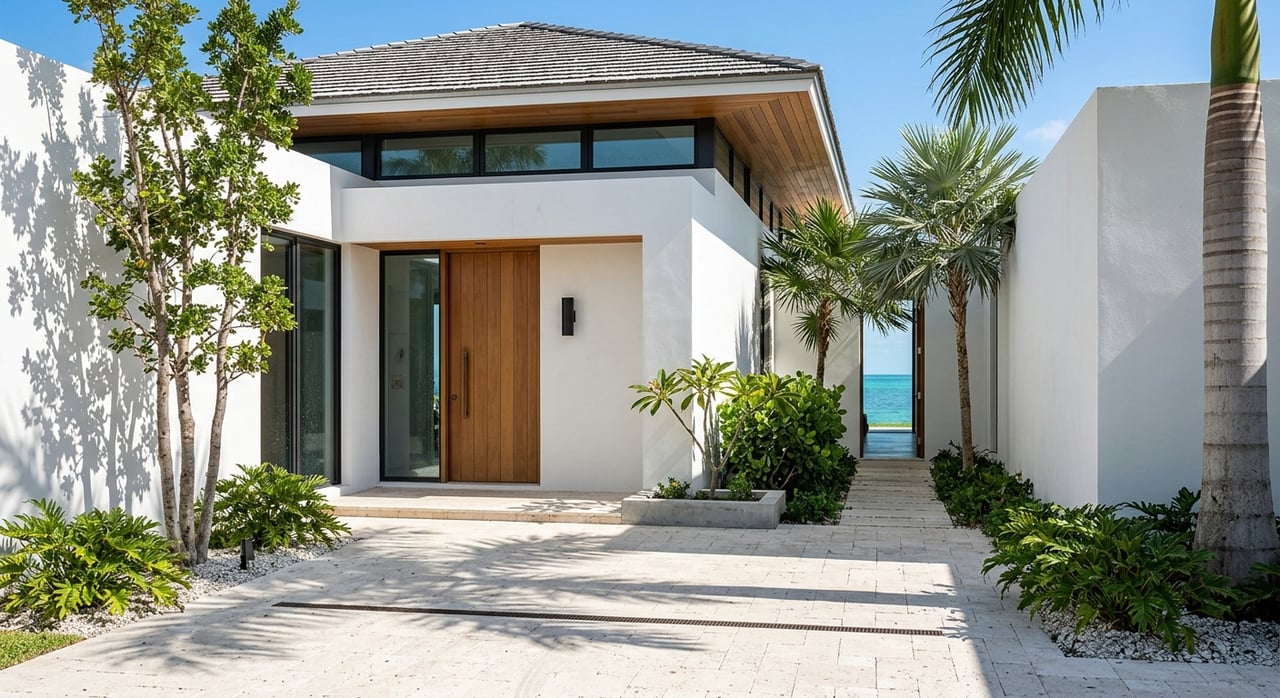
That tells you something useful about the neighborhood. Key Haven homes tend to be built around private outdoor use and water access, rather than shared amenities or dense community facilities.
If you live in Key Haven, boating is not an occasional extra for many households. It becomes part of your routine, your planning, and even your maintenance checklist.
The broader marine setting supports that lifestyle. NOAA describes the Florida Keys National Marine Sanctuary as a major place for fishing, boating, diving, paddle sports, and wildlife viewing, with calm, shallow waters and more than 6,000 species.
There is also day-to-day infrastructure that supports boat use in the Keys. Monroe County provides free mobile pump-out service across the Keys, and the Florida Keys are a federal no-discharge zone. For boat owners, that is part of the real operating environment, not just a policy detail.
Living in a boating-oriented neighborhood often means staying aware of conditions before you head out. NOAA advises boaters in the Keys to check weather and tides and to use extra caution at low tide.
In Key Haven, that makes waterfront living feel active and hands-on. Your day may include checking marine conditions, watching tides, securing gear, and planning around weather in a way that inland neighborhoods simply do not require.
A waterfront address in the Lower Keys comes with real advantages, but it also comes with responsibilities. In Key Haven, weather awareness is part of normal homeownership.
Monroe County evacuation guidance places mile markers 0 through 6 in Zone 1. The county also reminds residents to secure shutters, loose outdoor items, and boats when storms threaten.
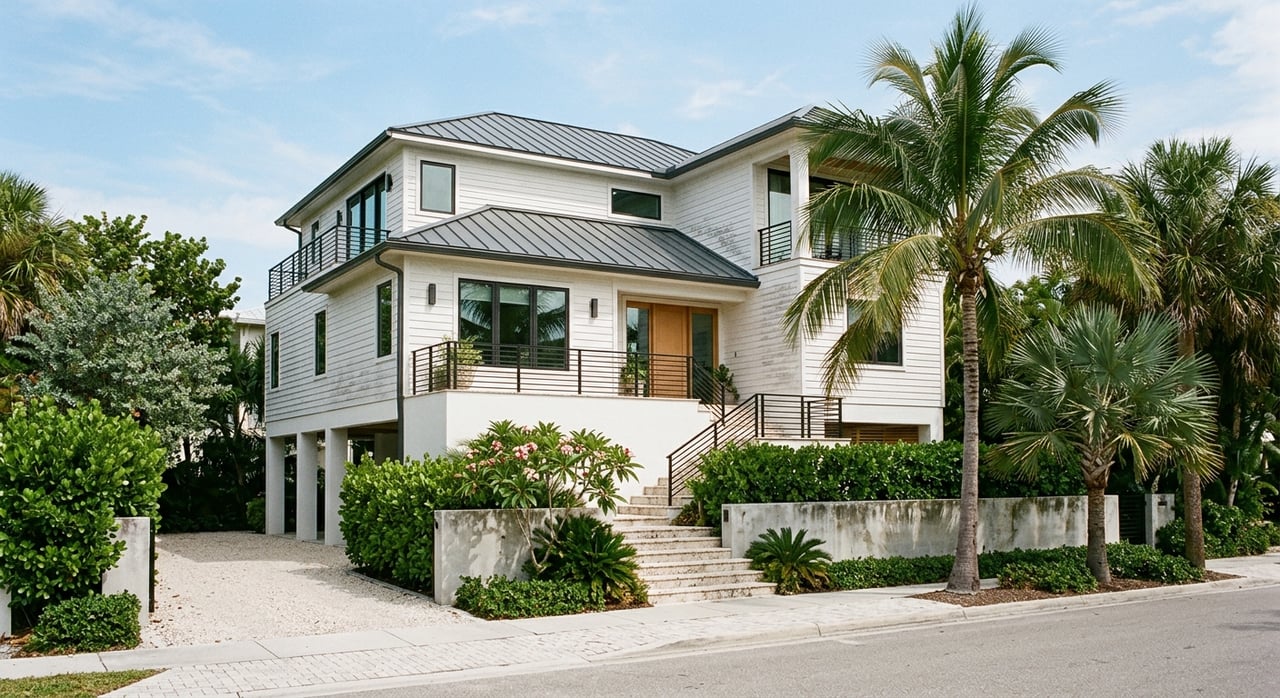
That practical reality shows up in the kinds of improvements owners make. Permit activity tied to impact openings, exterior work, and lift-related features suggests many homeowners prioritize resilience and preparedness alongside lifestyle features like docks and pools.
This does not make Key Haven unusual for the Keys. It simply means the neighborhood works best for buyers who understand that living near the water includes both enjoyment and upkeep.
Key Haven gives you proximity to Key West, but it does not function like a walk-everywhere district. The area works more naturally as a car-and-boat base on the edge of town.
City of Key West transit offers an on-demand Key West and Stock Island network that connects to the Lower Keys Shuttle. That gives residents another option for getting into town, but the neighborhood’s access pattern still supports a more drive-based routine.
If you like the idea of spending time in Key West and then returning to a quieter residential setting, that setup may feel ideal. If you want immediate Old Town energy right outside your door, Key Haven may not match that expectation.
Not every Lower Keys neighborhood serves the same kind of buyer. Key Haven tends to make the most sense for people who will truly use its waterfront setup.
Based on the area’s single-family housing pattern, canal network, limited public shoreline access, and access roads, Key Haven often suits buyers who want function as much as scenery. That can include serious anglers, frequent cruisers, and households that value private dockage or boat-lift storage.
It can also work well if you want a quieter home base near Key West rather than a highly active urban setting. The neighborhood offers proximity, but its appeal is usually tied to residential calm and water access.
When you tour homes in Key Haven, it helps to look beyond finishes and staging. The neighborhood often rewards buyers who pay attention to how a property actually works.
Look closely at water access features, outdoor layout, and maintenance items that affect daily use. In a market like this, details such as dock setup, seawall condition, storm-readiness features, stairs, lifts, and exterior upgrades can matter just as much as interior design.
This is also where local insight becomes valuable. A home may look similar from the street, but its functionality for boating, maintenance, and long-term ownership can vary in important ways.
Living in Key Haven usually means choosing a quieter residential setting with a strong connection to the water. It is less about public shoreline or constant activity, and more about canal-front routines, private outdoor living, and easy access to Key West when you want it.
For the right buyer, that mix is exactly the point. If you want a home base that supports boating, values privacy, and keeps you close to town without placing you in the middle of it, Key Haven is worth a serious look.
If you are considering a move in Key Haven or anywhere in the Lower Keys, Bobby Coe can help you evaluate the lifestyle, property details, and neighborhood fit with clear local guidance.
Stay up to date on the latest real estate trends.