Key West Neighborhoods Guide for Finding Your Best Fit
April 23, 2026
April 23, 2026
If you are shopping for a home in Key West, one question comes up fast: Which neighborhood actually fits the way you want to live? That can be harder to answer here than in many markets because local neighborhood labels often reflect history, built form, flood-map panels, and waterfront access as much as simple boundaries. The good news is that once you understand how Old Town, Midtown, New Town, and the main waterfront pockets differ, your search gets much clearer. Let’s dive in.
Key West does not follow one simple neighborhood chart that tells you everything you need to know as a buyer. In practice, local conversations often center on Old Town, Midtown, New Town, and a handful of waterfront enclaves, while the city organizes important planning details through tools like online flood maps, historic district boundaries, and zoning-related review.
That matters because your buying decision is not just about location on a map. In Key West, the neighborhood choice also shapes what kind of home you may find, how walkable your day-to-day life may feel, and whether future exterior changes could require extra city review.
Old Town is the historic core of Key West and the area most people picture when they imagine the island’s classic streetscape. According to the city’s HARC guidelines, this area developed with a compact grid, secondary lanes, small lots, narrow driveways, and a pedestrian-oriented layout.
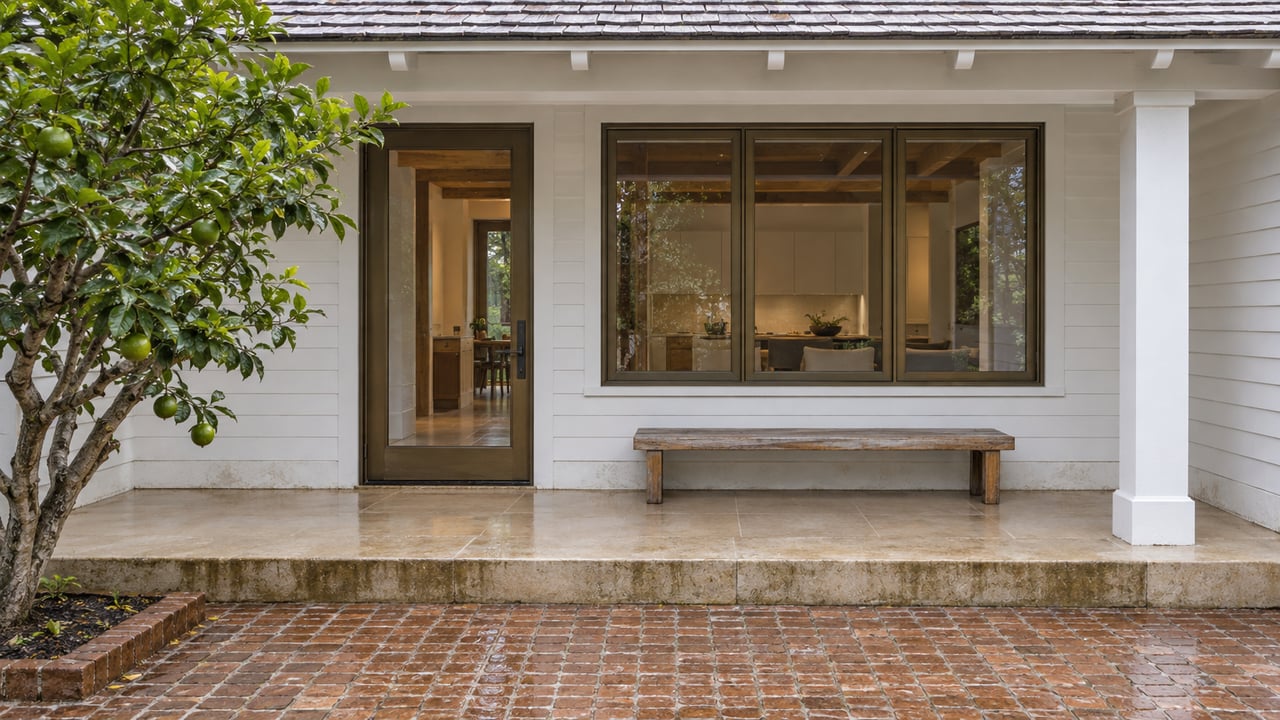
You will also see architectural details that give Old Town its distinct identity. The city highlights traditional wood construction along with forms like Bahama houses, Key West eyebrow houses, Queen Anne cottages, and classical-revival styles. Features such as front porches, raised foundations, and wood cladding are recurring parts of the area’s character.
For many buyers, Old Town offers the strongest walkability on the island. The city notes that the former Duval Loop corridor is now served by the Key West Rides On-Demand Bus Service, connecting areas like Caroline Street, Simonton, Front Street, Whitehead Street, and Truman Waterfront.
Old Town also puts you close to some of the places buyers ask about most. The city says the Key West Bight Marina is a short walk from Duval Street and Mallory Square, which reinforces how easy it can be to enjoy shops, dining, waterfront views, and daily errands without relying heavily on a car.
The same features that make Old Town special can also create tradeoffs. Lots are often smaller, parking can be tighter, and some properties may fall under historic district review. If a home is under HARC jurisdiction, exterior work may require preservation-related approval.
For buyers, that means charm and convenience often come with more planning. If you love historic homes, this may feel well worth it. If you want a simpler path for future exterior changes, it is smart to confirm those requirements before you write an offer.
Midtown and New Town are often the best places to look if you want a more practical, everyday residential feel. The city’s flood map system treats Midtown and New Town as distinct areas, which is one reason local buyers tend to discuss them separately from the Old Town core.
In general, these areas offer a more mixed housing stock and fewer preservation-related complications than historic Old Town. Because HARC jurisdiction is tied to the historic district rather than the entire city, many buyers find that Midtown and New Town can offer a different balance of flexibility, layout, and day-to-day function.
If your wish list includes more conventional living features, these areas may deserve a close look. Buyers are often drawn to the possibility of more practical site conditions, less preservation pressure, and housing options that feel easier to adapt over time.
That does not mean every property works the same way. It simply means Midtown and New Town often appeal to buyers who want a smoother fit for full-time living, seasonal use, or a home search that is less centered on historic constraints.
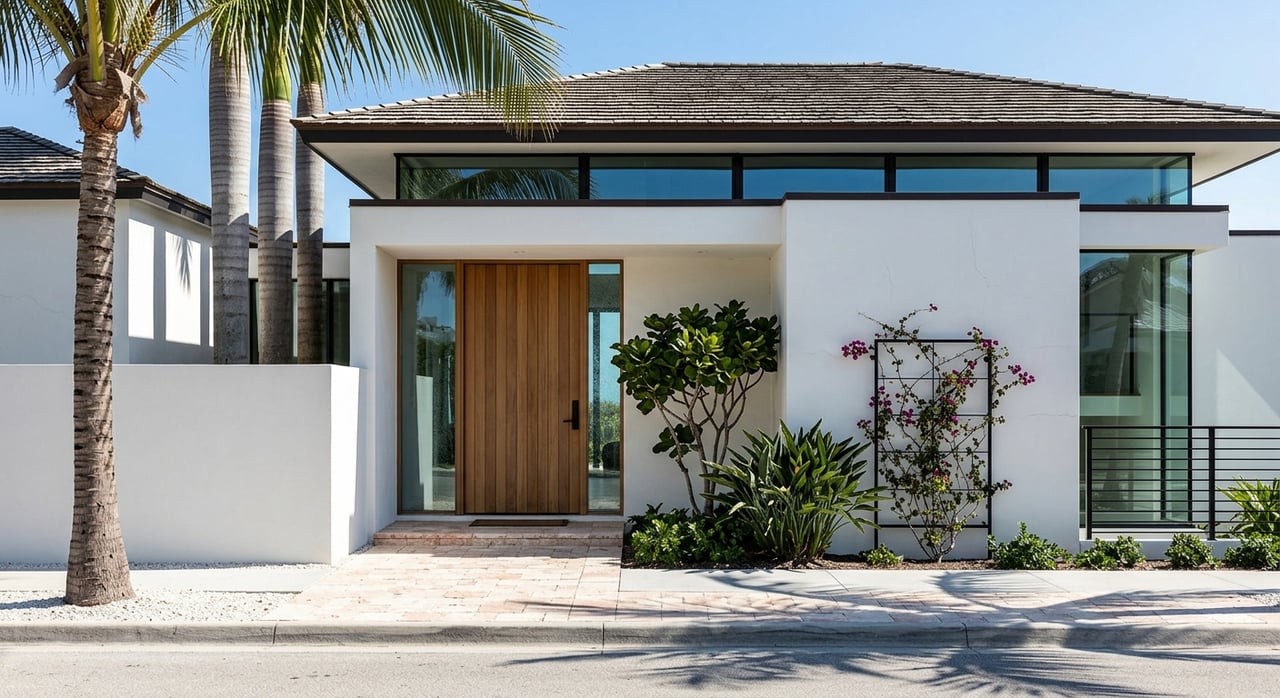
Midtown and New Town can make sense if you want to prioritize function, flexibility, and a broader range of housing styles. They may also be worth considering if you are comparing homes with an eye toward renovation potential, parking ease, or a more straightforward ownership experience.
In many cases, buyers also see these areas as a more approachable entry point than Old Town or the most sought-after waterfront pockets. That is a market-based inference from housing stock and preservation burden, not an official city price ranking, but it reflects how many buyers frame their search.
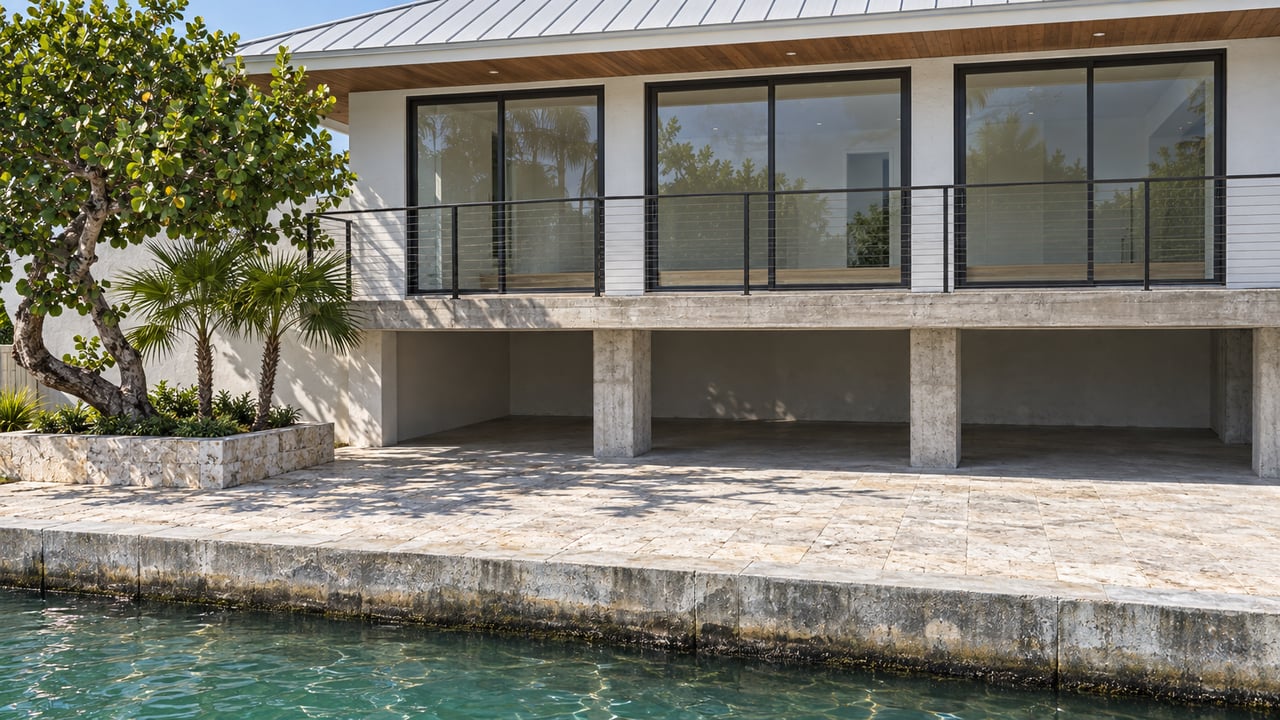
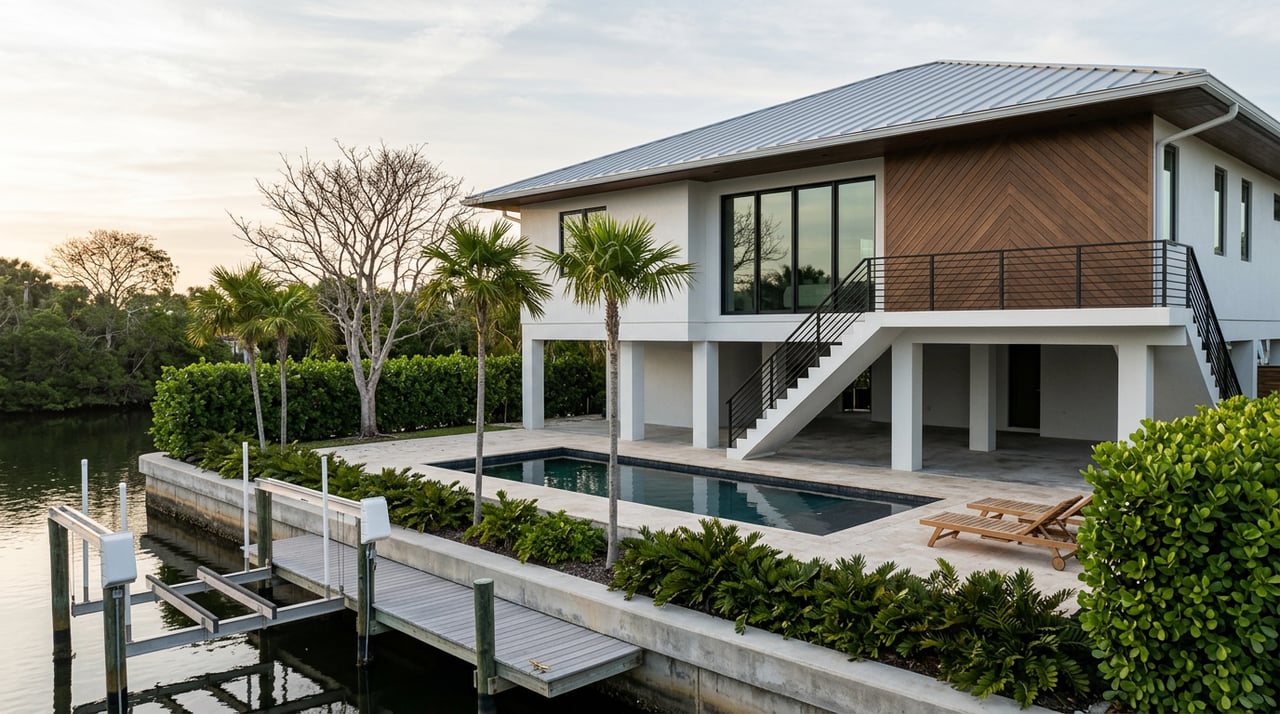
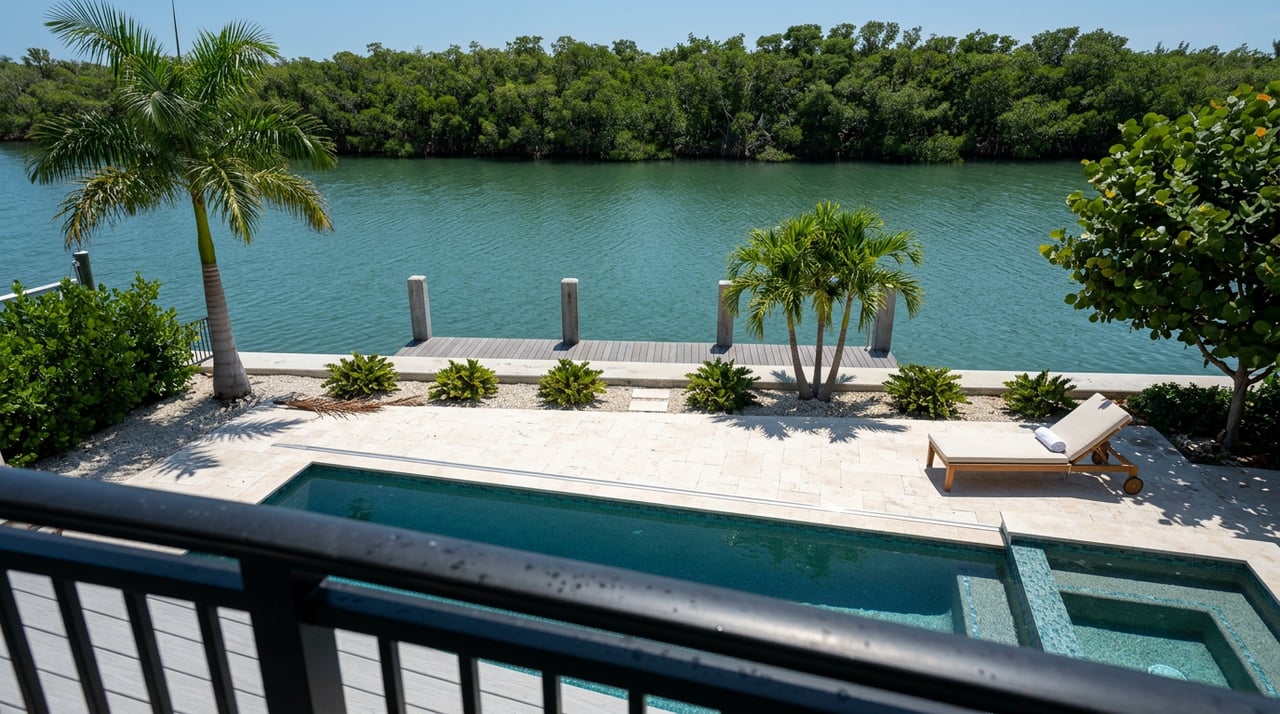
If your goal is water access, marina access, beach proximity, or a more resort-like setting, Key West’s waterfront enclaves stand apart. These pockets are not one single neighborhood, but they share a lifestyle focus that many second-home buyers and remote purchasers value highly.
The main names buyers tend to hear most are Key West Bight and the Historic Seaport, Truman Waterfront, and the Casa Marina and Atlantic edge area. Each offers a different version of waterfront living.
The Key West Bight Marina is one of the island’s classic waterfront settings. The city describes it as a 20-acre facility in the historic district with Harbor Walk restaurants, shops, attractions, and 33 deep-water transient slips.
For buyers, this area offers a close connection to the old waterfront and easy access to Old Town. If you want a home base near marinas, walkable attractions, and harbor energy, this pocket is often high on the list.
The Truman Waterfront reflects a more recent city-managed redevelopment story. The city oversees redevelopment in this area, and a 2025 city update describes amenities including a soccer field, green space, a waterfront promenade, an amphitheater, and new housing at the Lofts at Bahama Village.
For buyers, that can translate into a different feel than the older harbor areas. You may be drawn to the open spaces, waterfront access, and a location that blends proximity to the historic core with a more contemporary public realm.
The Casa Marina area has its own distinct physical character. The city’s HARC guidelines note that this area features larger plots, larger front and side yards, and more modern homes than the tighter historic core.
It also benefits from access to the Atlantic side of the island. Monroe County notes that Higgs Memorial Beach sits at the end of Reynolds Street and offers beach and pier access adjacent to the Casa Marina resort area. For buyers who want beach proximity and a more open residential pattern, this area can be especially appealing.
The best Key West neighborhood for you depends less on a label and more on how you plan to use the property. A buyer looking for a classic island streetscape and daily walkability may focus on Old Town. A buyer who wants a more practical layout and fewer preservation concerns may lean toward Midtown or New Town.
If your goal is a water-oriented lifestyle, marina access, or a more private resort-like setting, the waterfront pockets may rise to the top. This is why neighborhood tours in Key West work best when you compare lifestyle, property constraints, and long-term usability together instead of looking at homes in isolation.
In Key West, a smart home search goes beyond square footage and photos. Before you move forward on a property, it helps to ask a few location-specific questions early.
These questions can shape your ownership experience as much as the neighborhood name itself. They are especially important if you are buying remotely, planning improvements, or trying to compare a historic cottage with a more modern home elsewhere on the island.
One of the best ways to narrow your search is to tour Key West by lifestyle category instead of by price alone. Start with Old Town if walkability and historic character matter most. Then compare that experience with Midtown or New Town if you want more everyday flexibility.
After that, visit the waterfront areas to see whether marina access, beach access, promenade views, or larger residential patterns feel worth the tradeoff. In a market like Key West, the right match usually becomes obvious once you experience how each area actually lives.
If you want help sorting through Old Town rules, waterfront options, or the practical differences between neighborhoods, Bobby Coe offers the local guidance and high-touch support that can make your search much more efficient.
Stay up to date on the latest real estate trends.