Little Torch Key Homes for Quiet Island Living and Boating
June 25, 2026
June 25, 2026
Looking for a Florida Keys address where boating feels like part of daily life, not just a weekend plan? Little Torch Key stands out for buyers who want a quieter island setting, easy water access, and a slower Lower Keys rhythm without giving up practical connections along U.S. 1. If you are wondering whether this island fits your lifestyle, this guide will walk you through what makes Little Torch Key distinct, how boating shapes the area, and what to know before you buy. Let’s dive in.
Little Torch Key sits in the Lower Florida Keys on U.S. 1 at about mile marker 28.5. That location places you in a more residential part of the island chain, where homes, canals, and marina-related uses shape the landscape more than a busy commercial district.
Monroe County land-use guidance reinforces that low-density feel. The county’s CFSD-20 district on Little Torch Key allows 1 dwelling unit per acre, or 1 unit per qualifying pre-1986 parcel, with no density bonuses. In practical terms, that supports a quieter development pattern that many waterfront buyers are looking for.
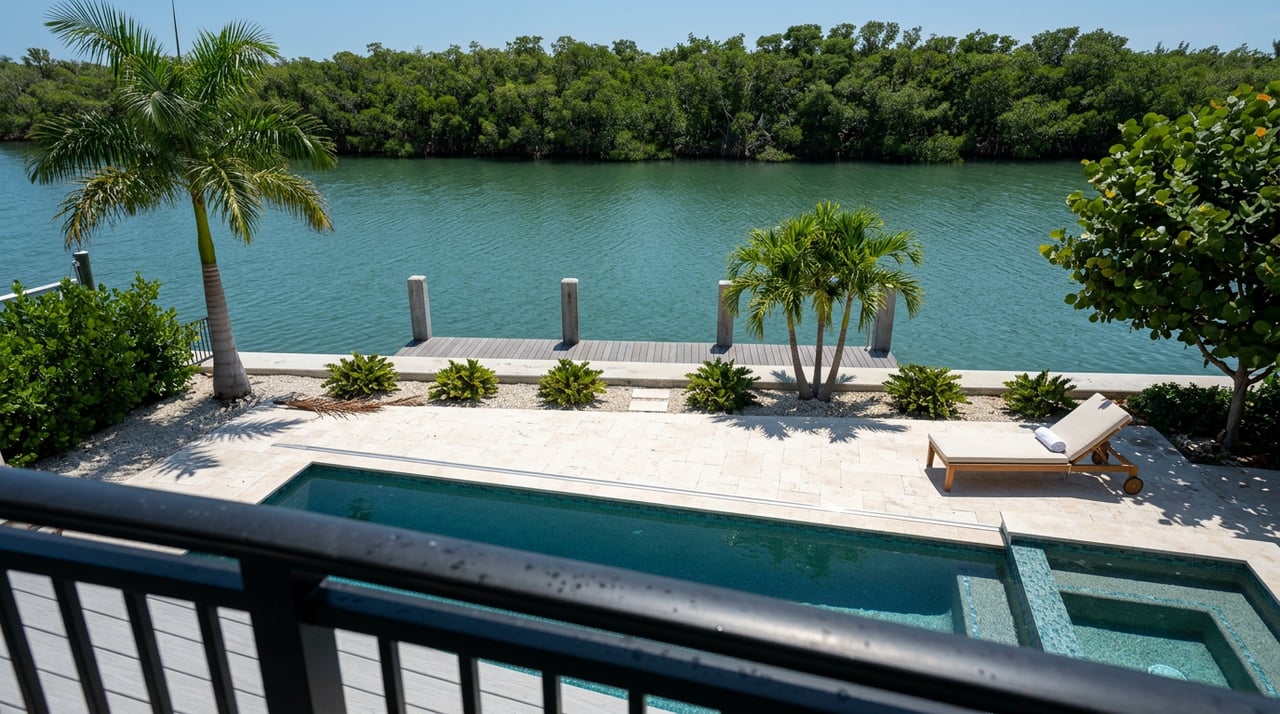
For many buyers, the biggest draw is simple: boating infrastructure is actually on the island. Monroe County lists a public boat ramp on Little Torch Key at State Road 4A and describes it as a residential canal area to open water.
That description says a lot about how the island works. Water access is woven into everyday life here, especially in canal-oriented residential areas where boating can feel more routine and less like a special trip across town.
Little Torch Key also connects into Monroe County’s broader network of boat ramps. That matters if you want an island that feels tucked away but not cut off from the larger boating culture of the Lower Keys.
The surrounding waters support more than one kind of boating day. NOAA notes that Florida Keys nearshore waters can be shallow, and some areas are better suited to kayaks, canoes, or paddleboards.
NOAA also notes that many wildlife management areas are designated as no-motor zones to help protect backcountry species. If you enjoy quieter exploring, paddling, or wildlife viewing, that is part of the local boating picture.
For larger outings, the Key West National Wildlife Refuge is accessible only by boat and is open year-round for boating, fishing, wildlife viewing, snorkeling, and diving. Locally, this area is known as the backcountry, which gives boaters another strong reason to consider Little Torch Key.
If your ideal day on the water includes more than cruising or fishing, nearby marine destinations add to the appeal. Looe Key Sanctuary Preservation Area is one of the Florida Keys’ signature dive and snorkel sites.
That kind of access helps explain why Little Torch Key attracts buyers who see a home as both a residence and a launch point. You are not just buying square footage here. You are buying into a water-based routine.
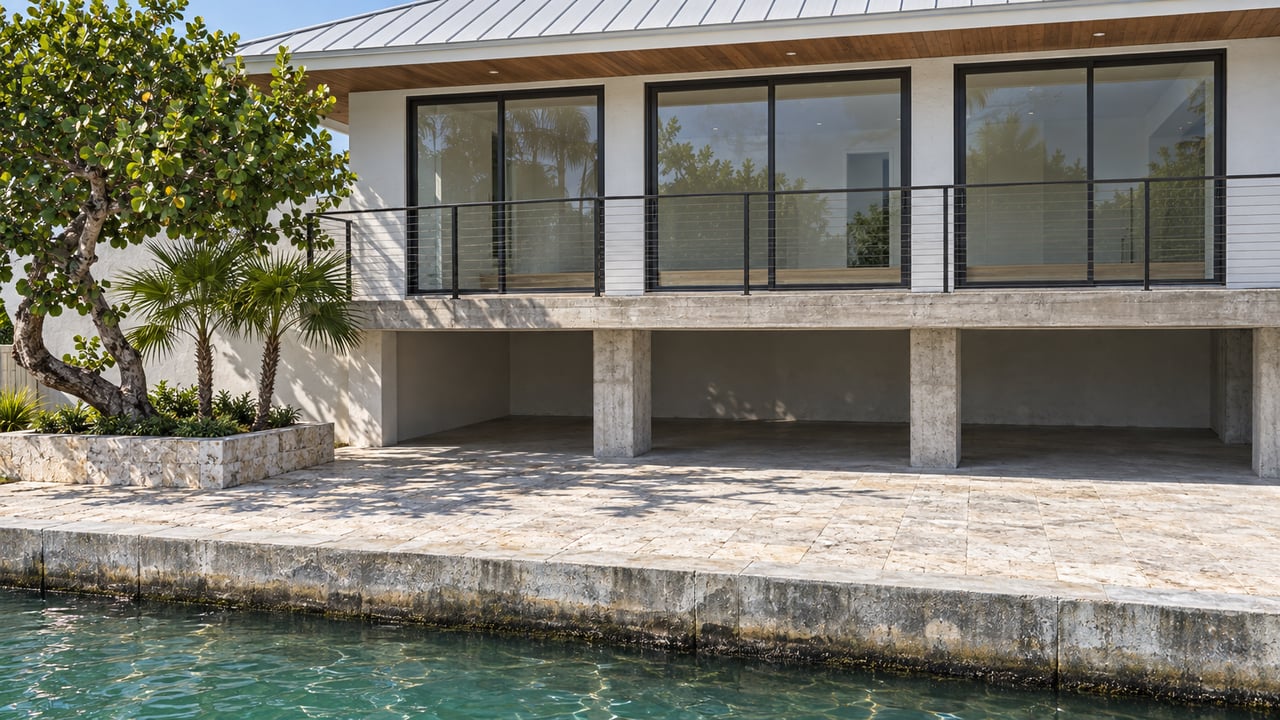
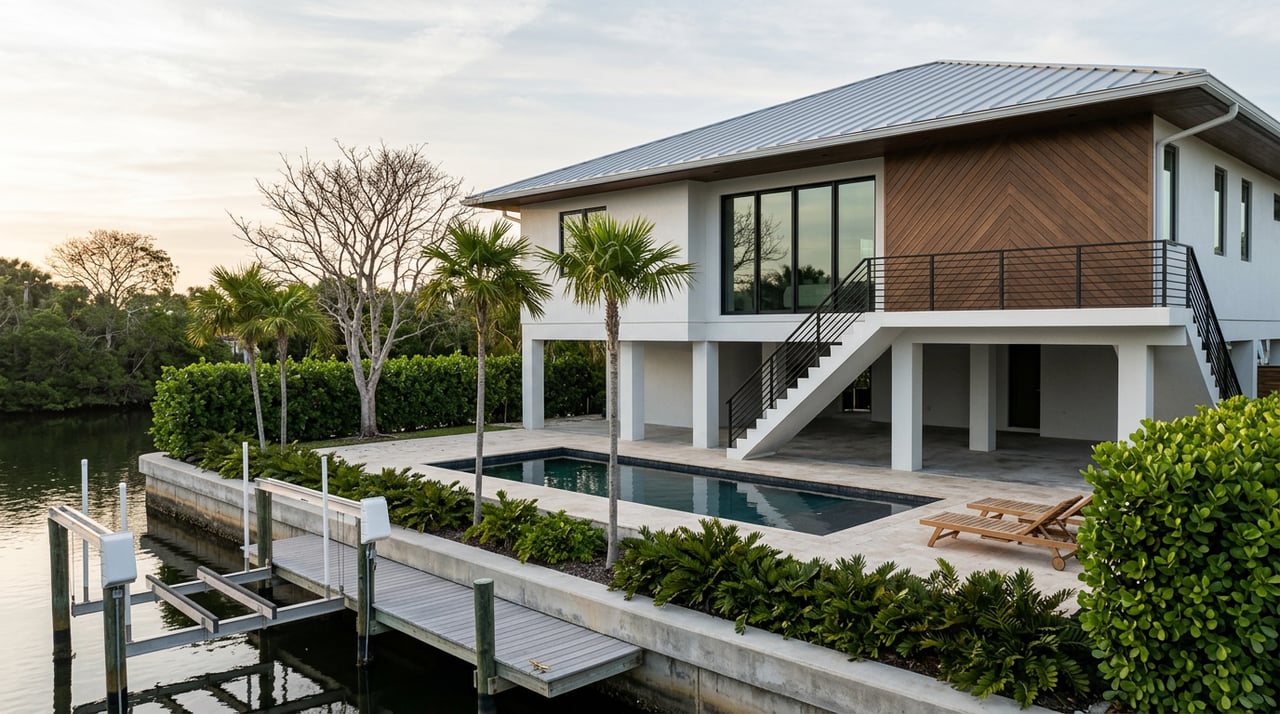
Little Torch Key reads mostly as a low-density residential island. County planning documents repeatedly reference single-family residential use, and the county’s canal inventory includes multiple canals on Little Torch Key.
That is a useful signal if you are trying to picture the housing stock. Detached homes and canal-front parcels are part of the island’s identity, and the overall setting tends to feel more spread out than urban.
You will also see some variety in the mix of uses. County records reference resort and marina properties on the island, including the Dolphin Marina property as a resort hotel and marina with permanent and transient residential units, along with land-base development tied to Little Palm Island.
Even with those hospitality and marina pockets, the island does not come across as a dense resort district. Instead, the pattern is more balanced: waterfront homes, resort parcels, and marina-related properties coexist in a smaller-scale environment.
For buyers, that can be a plus. You get a location with recognizable waterfront amenities and reference points, but the island still reads primarily as a place to live rather than a nonstop activity zone.
Little Torch Key is not built around a traditional town center. Day-to-day life tends to follow the U.S. 1 corridor, with services and errands distributed across nearby keys rather than concentrated in one walkable downtown.
The Monroe County Lower Keys Shuttle reflects that pattern. Its route runs from Key West to Marathon and includes Little Torch Key stops such as Dolphin Marina, Mangrove Mama’s, and State Road 4A, while also connecting to stops farther along the highway like Big Pine Key, CVS/MM30, Home Depot, and Kmart.
For some buyers, that route-based lifestyle feels normal and easy. For others, it is a reminder that island convenience here is more about access by highway and boat than about strolling to a wide mix of shops.
Little Torch Key is roughly 28.5 road miles north of Key West based on the mile-marker system. That makes Key West close enough for regular outings, dining, or appointments while still giving Little Torch Key a more removed and quiet feel.
That balance is a big part of the island’s appeal. You can stay connected to the broader Lower Keys and Key West, but your home base feels less urban and more residential.
Little Torch Key tends to make the most sense for buyers who value privacy, water access, and a slower pace. The low-density zoning, canal-centered layout, public boat ramp, and wider boating opportunities all point in that direction.
It may be a weaker fit if you want a dense commercial scene or a highly walkable island with a broad range of shops and services close together. This is more of a lifestyle choice for people who want room to breathe and easy access to the water.
That can include second-home buyers, waterfront lifestyle buyers, and some investors who understand the appeal of a quiet Lower Keys setting. As always in the Keys, the right fit comes down to how you want to live day to day, not just what looks good in a listing photo.
Waterfront living in the Lower Keys comes with practical responsibilities. Monroe County’s evacuation map places mile marker 28.5 in Zone 2, which runs from MM 6 to MM 40, and the county notes that evacuation and reentry are phased and staged after storms.
For buyers, that means storm readiness should be part of the conversation from the start. If you are purchasing on Little Torch Key, it helps to think about waterfront access and hurricane planning as two parts of the same lifestyle.
This is especially important if you will own from a distance or use the property seasonally. A clear plan for preparation, access, and reentry can make ownership smoother.
Little Torch Key can look simple at first glance because of its relaxed setting, but buying here still benefits from local guidance. On an island where canal-front housing, marina uses, and low-density rules shape the market, you want a clear view of how a property fits your goals.
That is true whether you are focused on a personal waterfront retreat, a second home, or a property with broader investment considerations. A locally grounded advisor can help you evaluate not just the home, but the setting, access, and practical realities that come with owning in the Lower Keys.
If you want help understanding whether Little Torch Key matches your boating lifestyle or long-term plans, schedule a private consultation with Bobby Coe.
Stay up to date on the latest real estate trends.