How to Sell Your Cudjoe Key Home More Smoothly
June 18, 2026
June 18, 2026
Selling in Cudjoe Key can feel deceptively simple. You may think a great location will do the heavy lifting, but in today’s market, buyers are comparing price, condition, flood costs, and online presentation very closely. If you want a smoother sale, you need more than a sign in the yard. You need a plan that fits the Lower Keys. Let’s dive in.
Cudjoe Key was described as a buyer’s market as of March 2026. Realtor.com reported 104 homes for sale, a median listing price of $1.1625 million, and a median 79 days on market. Homes were also selling for about 4.52% below asking on average.
That matters because buyers often have options. If your home is priced too high or looks unprepared, it may sit longer and invite price reductions. A smooth sale usually starts with realistic expectations about how your home compares with other active listings.
One of the biggest mistakes sellers make is relying on a countywide number. In and around Cudjoe Key, neighborhood-level differences can be meaningful. Cudjoe Gardens showed a median listing price of $1.822 million and 150 days on market, while Cutthroat Harbor Estates was around $1.05 million and 70 days on market.
That spread tells you something important. Your pricing strategy should be based on nearby comparable homes, your water access, condition, lot features, and insurance profile. A canal-front home, open-water home, and interior home should not be positioned the same way.
Before you repair, replace, or upgrade anything, check the property file. Monroe County provides permit searches by address or parcel ID, along with GIS research tools that can help you review zoning, tier, FLUM, and FEMA flood zones.
This step can save you money and stress. If a buyer finds permit issues late in the process, it can slow negotiations or create doubt about the home’s condition. A clean, organized file helps your sale feel more predictable from the start.
In the Lower Keys, flood information is not a side issue. Monroe County notes that all of the county is in a floodplain or coastal floodplain, and flood risk varies by property. That means your specific lot, elevation, and building details matter.
The county also warns that preliminary coastal flood maps may change future elevation requirements. If you are considering pre-sale work, especially larger repairs or additions, it is smart to check both current and preliminary maps before spending money.
Large pre-listing projects can backfire if they trigger current construction standards. Monroe County says that for homes in a Special Flood Hazard Area, substantial improvements or repairs to substantial damage can trigger requirements including elevation to or above the 100-year flood elevation when the work reaches 50% of market value.
For many older coastal homes, that is a major factor. Instead of jumping into expensive work, it is often better to decide which repairs truly improve saleability and which ones may create more complexity than value.
In Cudjoe Key, buyers often look beyond the house itself. They want to understand ownership costs, and flood insurance is a major part of that equation in Monroe County.
Monroe County says flood damage is not covered by homeowners insurance, and flood insurance is a significant component of housing costs in the Keys. When you can answer these questions early, buyers tend to feel more comfortable moving forward.
Before your home goes live, try to pull together:
Florida requires a flood-risk disclosure for residential sales at or before contract execution. If the property is in an HOA, the statutory disclosure summary must be provided before the contract is signed.
A buyer may love your home and still hesitate if they cannot quickly understand flood exposure, insurance costs, or past work on the property. Monroe County also notes that elevation certificates can help support accurate flood-insurance rating.
If you can show organized records, current insurance details, and a clear permit history, you remove guesswork. That can help support firmer pricing and a smoother path through due diligence.
You do not need to over-improve your home to make a strong impression. In this market, buyers are usually responding first to cleanliness, visible maintenance, and whether the home feels easy to own.
Start with the basics. Declutter, deep clean, repair obvious wear, and make sure the home feels bright, cared for, and functional. Those steps help buyers focus on the home itself instead of small distractions.
NAR’s 2025 staging report said 83% of buyers’ agents believe staging helps buyers visualize a home. You do not have to stage every square foot, but the main living areas and primary bedroom deserve special attention.
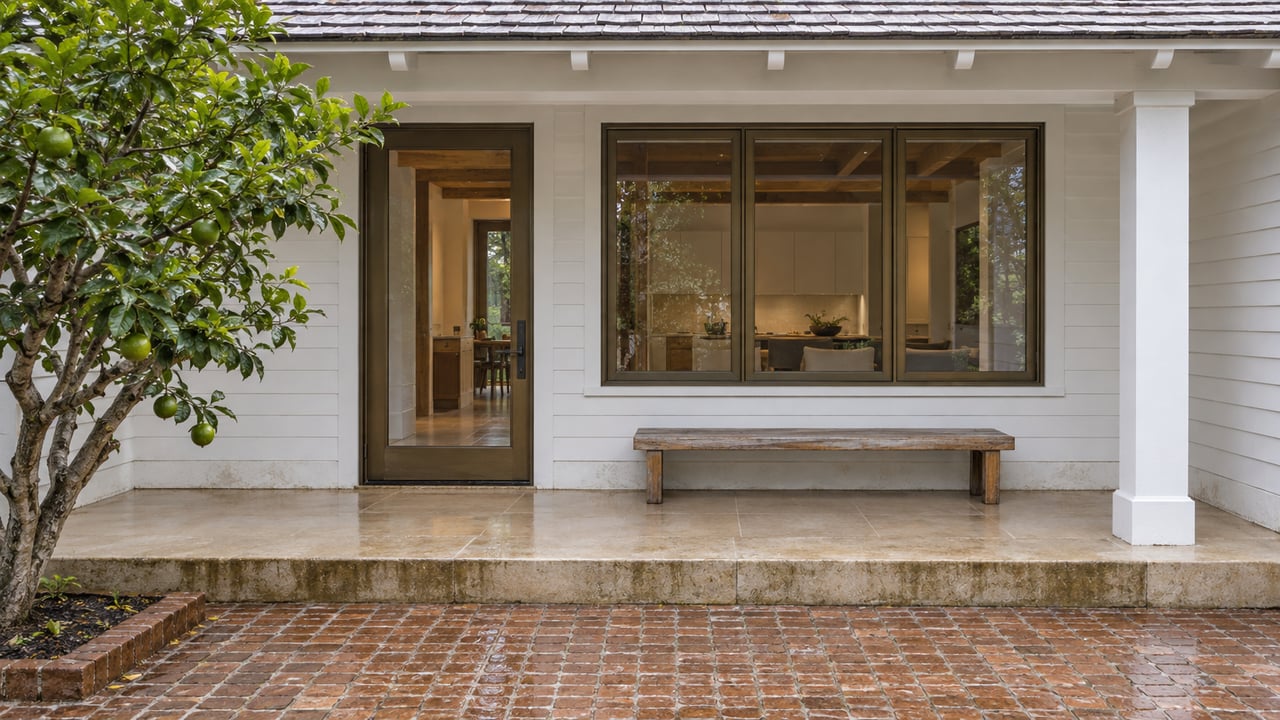
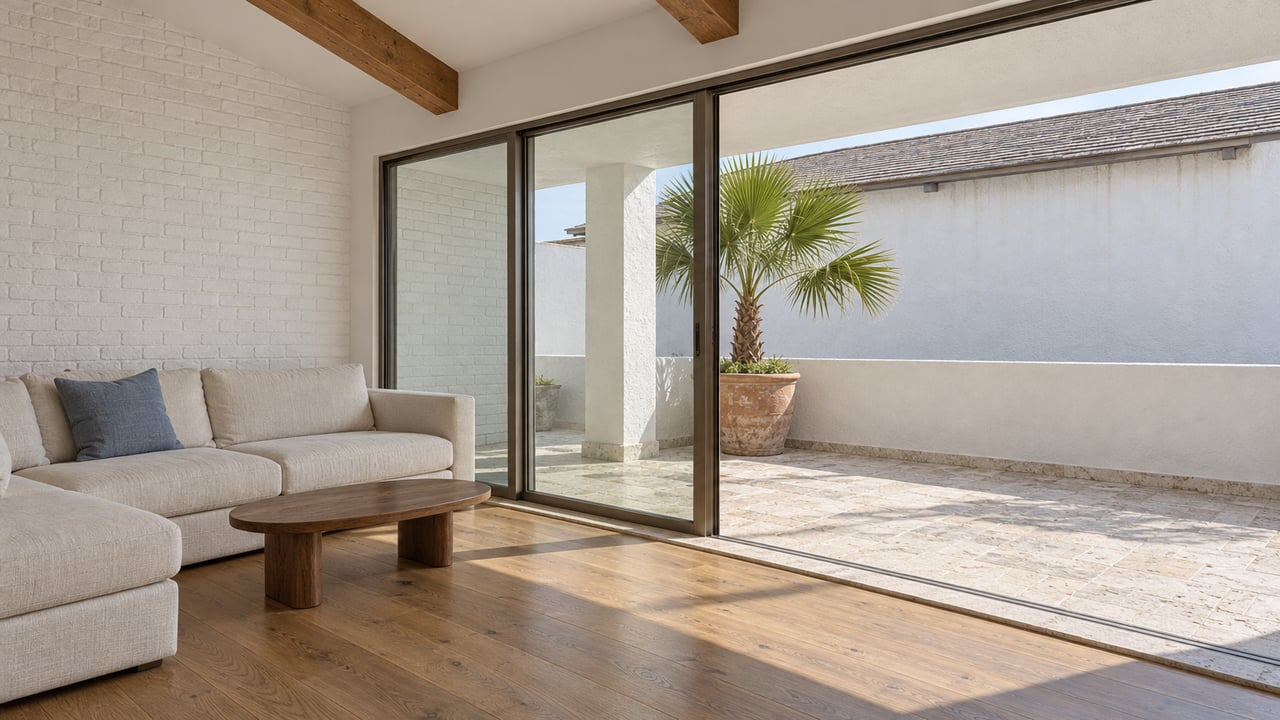
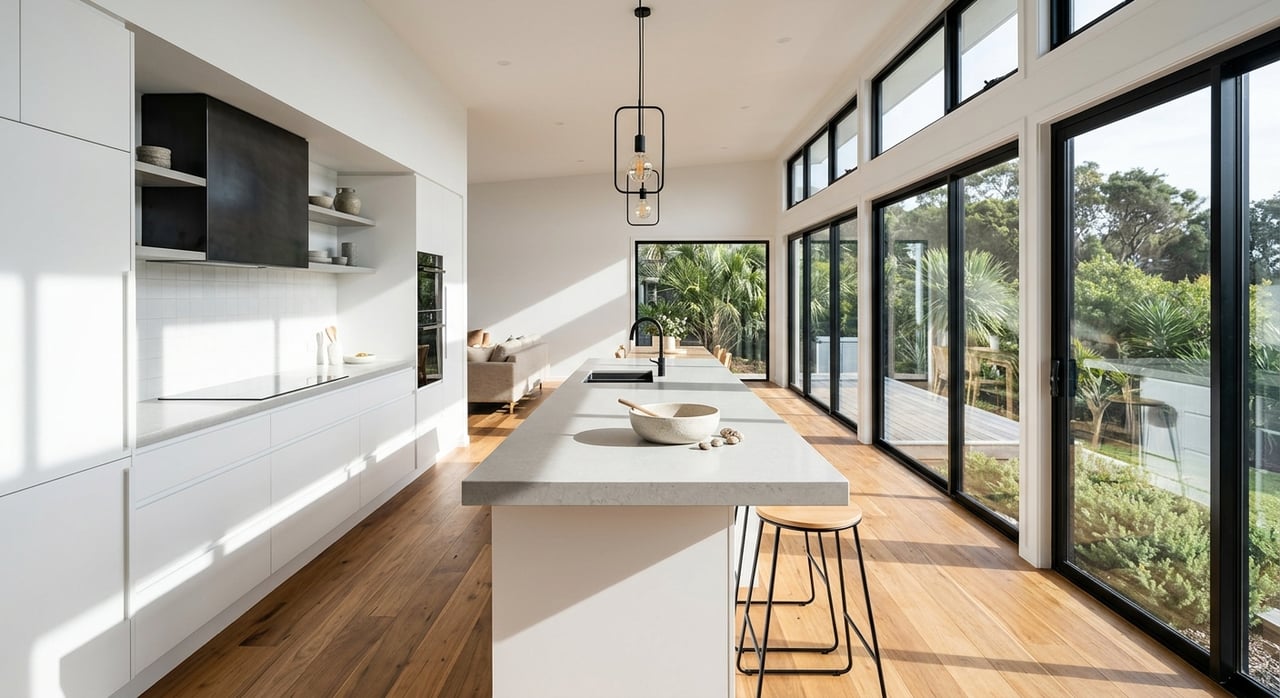
Keep the look simple and clean. In a coastal market like Cudjoe Key, buyers usually respond well to open, airy rooms, clear sightlines, and outdoor spaces that feel usable and inviting.
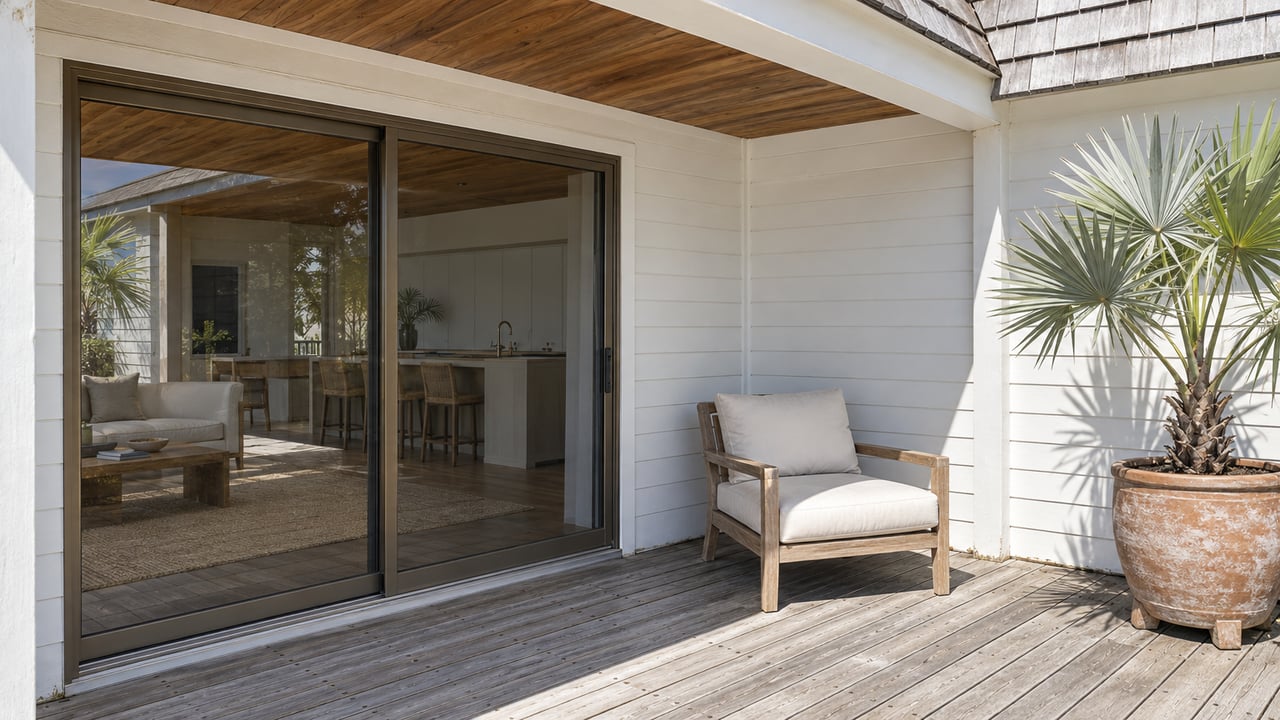
If your home has storm protection, storage, off-street parking, or practical outdoor utility, make sure those features are presentation-ready. Waterfront and Lower Keys buyers often pay attention to those details because they affect day-to-day ownership.
That means shutters should be easy to show, storage areas should be neat, and exterior spaces should look maintained. Buyers notice when a home feels prepared for coastal living.
A large share of buyers start their search online. NAR’s 2024 generational trends report said roughly 4 in 10 buyers first looked online for properties, and among internet users, the most valued website features were photos, detailed property information, and floor plans.
That means your listing has to perform before a buyer ever schedules a showing. In a market where buyers may compare many homes, your digital presentation can shape whether they engage or scroll past.
Professional photos are not optional in this setting. Buyers want to see the home clearly, understand the layout, and get a real feel for the property before they visit.
For many Cudjoe Key homes, the must-have assets include:
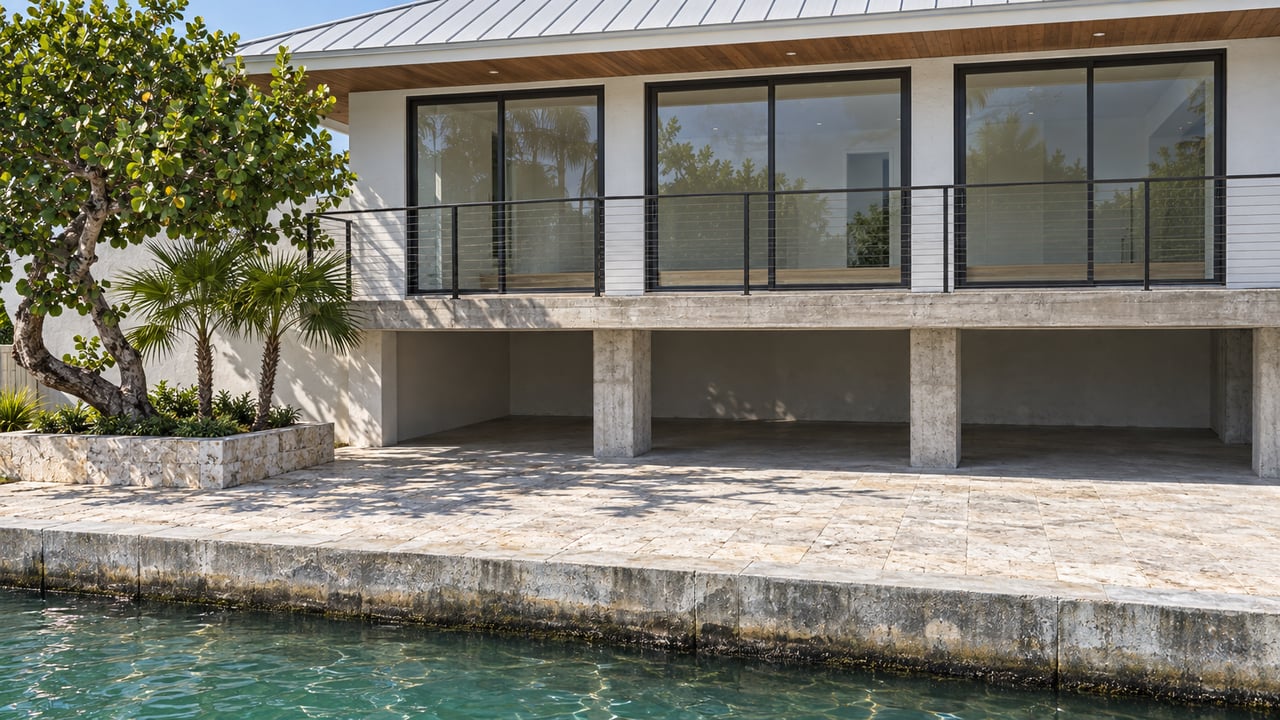
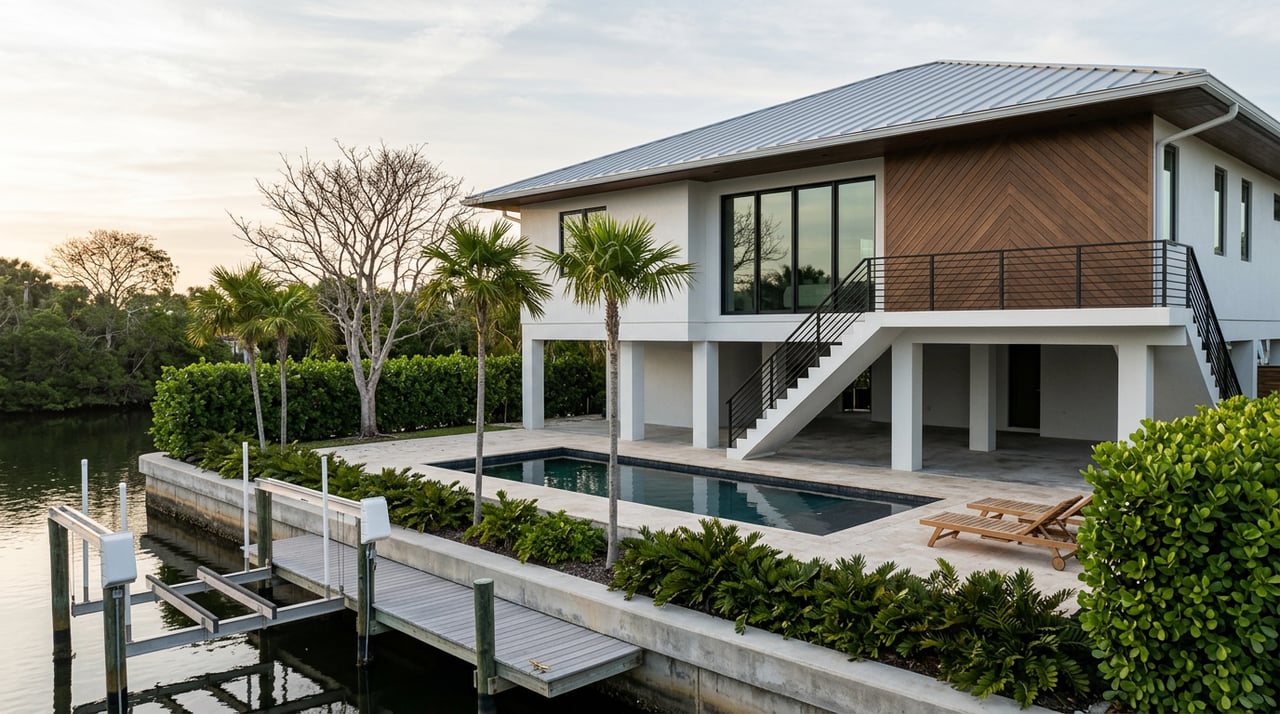
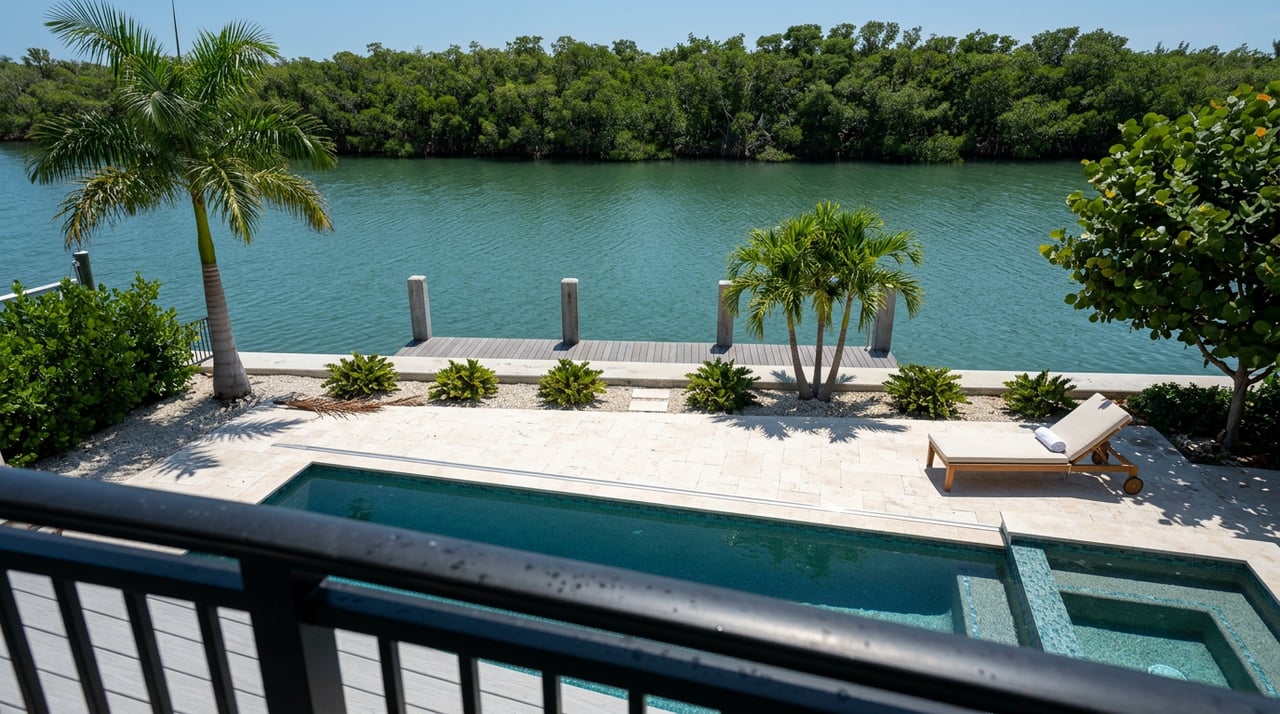
Different homes need different selling points. For waterfront, canal, or open-water homes, the listing should clearly show water access, dock setup, lift details, view orientation, parking, storage, and storm protection.
For interior homes, the value story may be different. Lower maintenance, privacy, and a more accessible price point may be the features that matter most. A smoother sale often comes from telling the right story, not a generic one.
In a buyer’s market, overpricing usually costs time. In March 2026, Cudjoe Key homes sold at about 95% of list on average, which suggests that an aggressive opening price can add days on market instead of creating leverage.
A smoother sale often comes from launching at a price that reflects the real submarket. That includes neighborhood comps, visible condition, flood and insurance profile, and property type.
Buyers are not only comparing purchase prices. They are also thinking about ongoing ownership costs, especially flood insurance. FEMA’s Risk Rating 2.0 uses property-specific factors such as elevation, proximity to water, construction type, and prior claims, and Monroe County notes that current flood-insurance premium discounts can transfer to a new owner.
If your home has a helpful insurance profile or documents that support one, that can be part of the pricing conversation. In a place like Cudjoe Key, those details can matter as much as cosmetic upgrades.
If you can choose when to list, timing can help. Florida Keys Tourism says winter and spring are the most popular times to visit, while summer and fall tend to bring fewer crowds along with more rain and storm risk.
NOAA says the Atlantic hurricane season runs from June 1 through November 30, with peak activity typically in mid-September and most activity between mid-August and mid-October. That does not mean you cannot sell in summer or fall, but it does mean you may need more flexibility and stronger weather-readiness.
If your move is not urgent, a polished launch in late fall, winter, or early spring may give you a practical advantage. Those seasons often align better with visitor traffic and fewer storm-related disruptions.
If you need to list during hurricane season, preparation becomes even more important. Keep schedules flexible, maintain strong communication, and make sure the property is show-ready whenever weather allows.
If you want to keep your sale moving, focus on the steps that reduce uncertainty for buyers:
A smooth sale in Cudjoe Key usually comes down to three things: clear pricing, strong presentation, and fewer surprises. When you prepare for the realities of the Lower Keys early, you make it easier for buyers to say yes.
If you’re getting ready to sell and want practical, local guidance on pricing, presentation, and pre-listing details, schedule a private consultation with Bobby Coe.
Stay up to date on the latest real estate trends.