Buying On Summerland Key’s Canals And Airstrip Communities
June 11, 2026
June 11, 2026
If you are thinking about buying on Summerland Key, the canal and airstrip areas can look like a dream at first glance. You see elevated homes, boat-ready canals, and a runway woven into the neighborhood, but the real value is in how well a property fits the way you plan to live. If you want to buy smart, you need to look past the view and focus on access, permissions, and functionality. Let’s dive in.
Summerland Key sits in Monroe County’s Lower Keys planning area, in Segment 7 between Cudjoe and Ramrod. County mapping identifies named residential areas on the island such as Summerland Key Cove, Summerland Beach, and Summerland Estates.
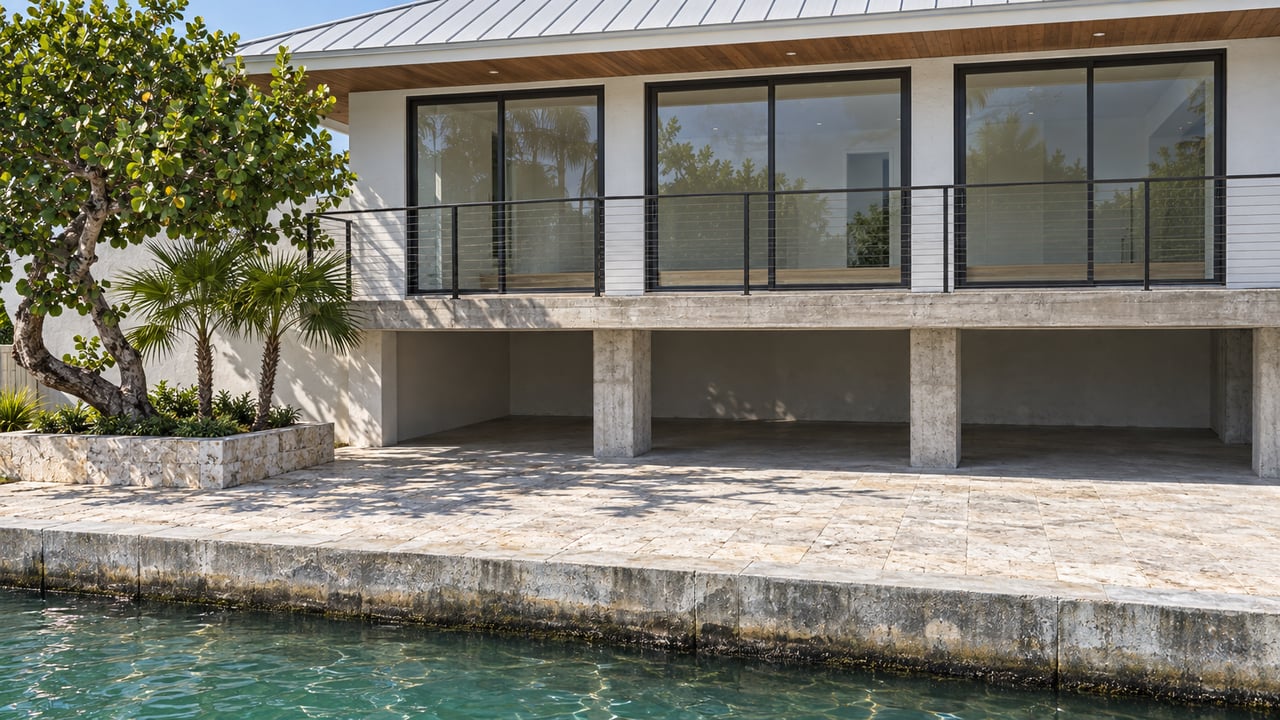
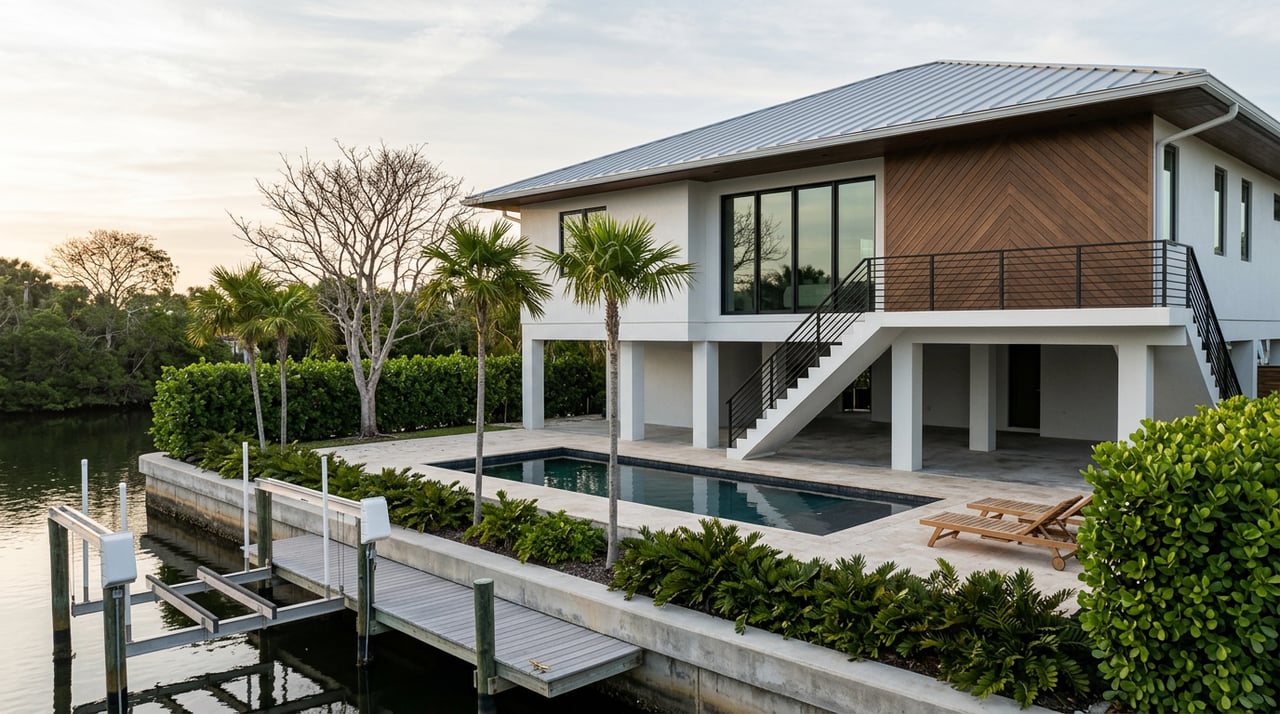
What makes this area stand out is its original canal-and-airstrip layout. The airport operator describes the community as a purpose-built mix of elevated homes and dredged canals, which gives it a very different feel from a standard subdivision. If you are drawn to boating, aviation, or both, that design is a big part of the appeal.
Monroe County also manages growth through permit allocation systems known as ROGO and NROGO because the Florida Keys are an Area of Critical State Concern. In practical terms, that helps explain why inventory can feel limited and why replacement projects or new construction may be more constrained than what you might expect on the mainland.
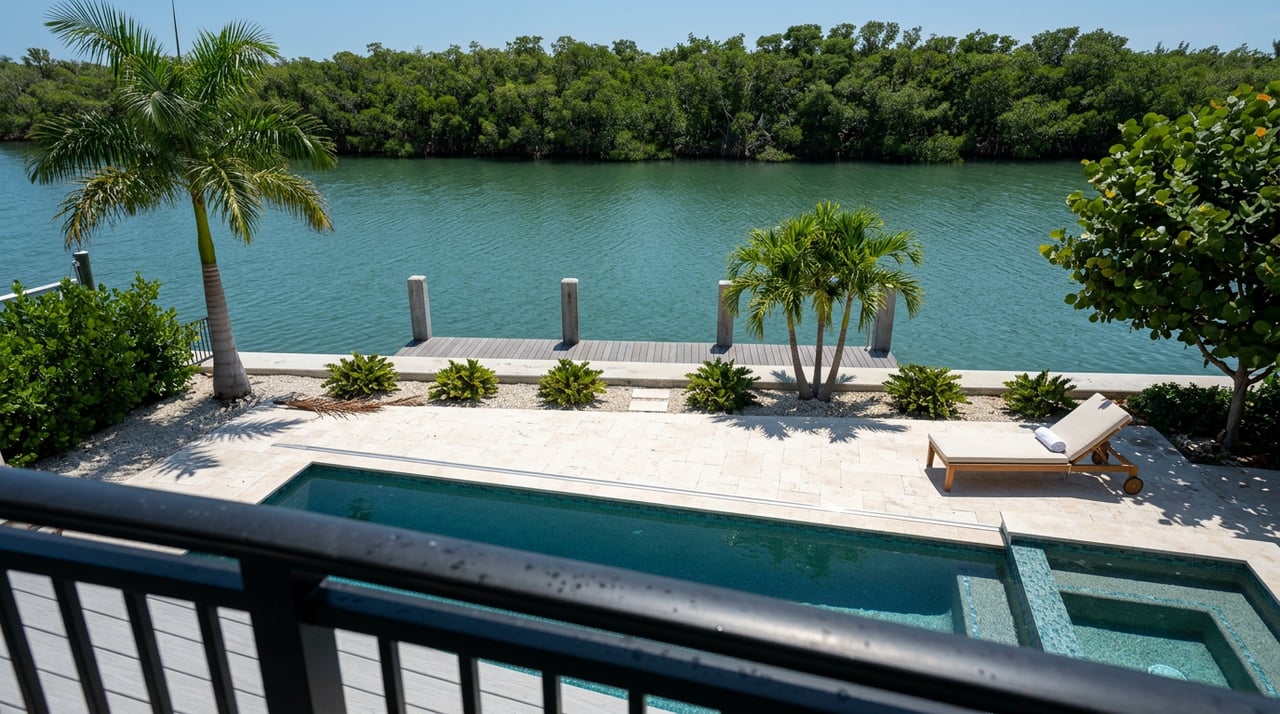
Not every canal-front property functions the same way. In Summerland Key, the better question is not just whether a home is on the water, but how that canal connects to the channels you actually plan to use.
NOAA’s Coast Pilot says Niles Channel is the best channel from the Straits of Florida to the Gulf between Bahia Honda Channel and Key West. It also notes that Kemp Channel, between Summerland Key and Cudjoe Key, is heavily used by local boaters. That makes canal orientation and route planning a key part of your buying decision.
Bridge clearance also matters. NOAA notes a 40-foot bridge clearance at Niles Channel and a 15-foot clearance at Kemp Channel. If your boat has height requirements, or if you plan to upgrade boats later, those limits should be part of your property search from day one.
A canal home works best when the dock setup, canal connection, and bridge profile all support the vessel you plan to keep there. A beautiful waterfront lot can still be the wrong fit if your route out to open water is inconvenient for your boating style.
Before you buy, think through questions like these:
This is where local guidance becomes valuable. On Summerland Key, the best waterfront purchase is usually the one that matches your actual boating habits, not just the one with the longest seawall.
For pilots, Summerland Key’s airstrip community is rare in the Lower Keys. The airport’s official site presents it as a fly-in neighborhood that blends aviation and marine life, but it also makes clear that this is a neighborhood-scale facility with specific operating limits.
Landing requires prior request and approval. The field is day-VFR only, with no night operations, and there is no avgas on site. The airport also states that it cannot safely support jets or multi-engine turboprops.
That means the airstrip is generally best suited to owners of smaller general-aviation aircraft who are comfortable with a permission-based operating environment. If you are buying here because of aviation access, make sure the runway setup matches your aircraft and your expectations.
One point buyers should understand early is that living next to the runway does not automatically give you runway-use rights. The airport FAQ also says proximity to the runway does not, by itself, create an HOA relationship.
That distinction matters. Some buyers want direct operating utility, while others simply like the open space, the pilot culture, or the unique layout of the neighborhood. Knowing which camp you are in will help you avoid buying the right-looking property for the wrong reason.
One of Summerland Key’s strongest draws is the combination of boating and aviation in one community. Few places offer that kind of overlap in a residential setting.
On the marine side, the airport’s marina page describes a 600-foot marina with 15 premium 40-foot slips along a 60-foot-wide canal, with power and water. That adds another layer of appeal for buyers who want both boat storage and pilot access in the same area.
For the right buyer, this creates a very specific lifestyle fit. You are not just buying a waterfront home or buying near a runway. You are buying into a setup designed around movement on water and in the air.
In Summerland Key, permitting history is not a side issue. Monroe County advises buyers to check permitting history before buying, and its building department specifically flags docks, seawalls, boat lifts, and other over-water work as permit-controlled.
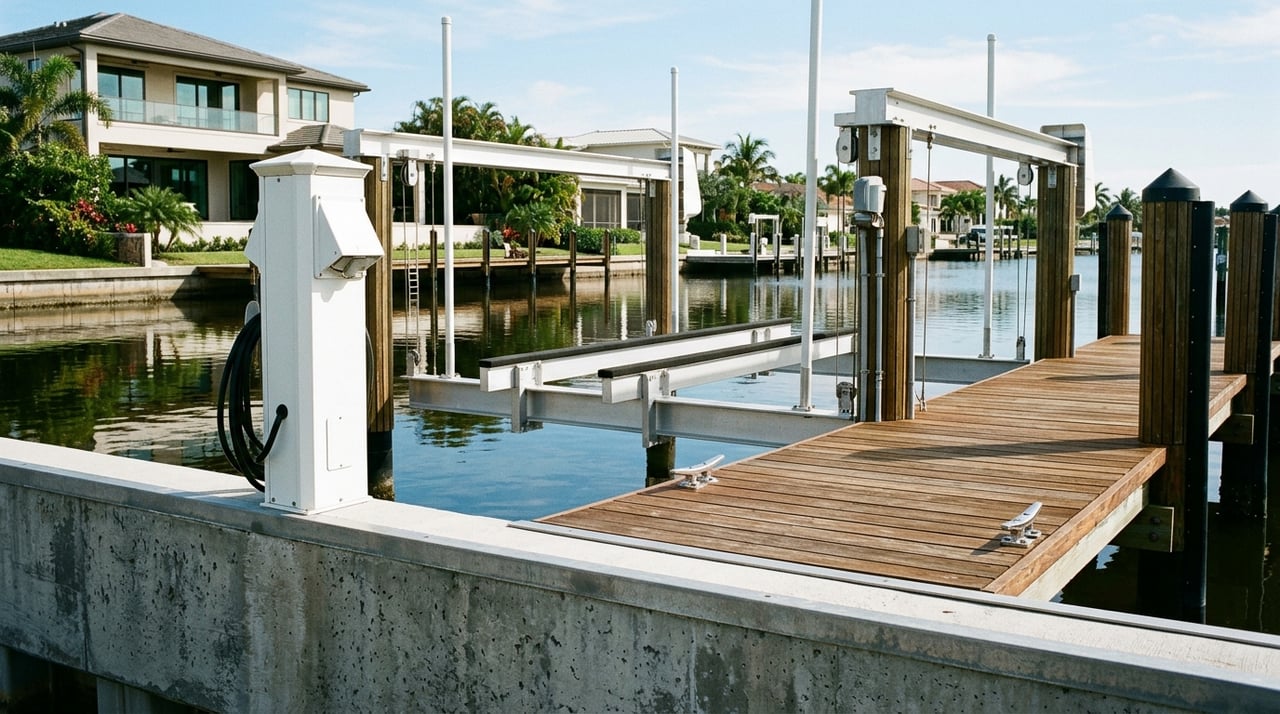
That means you should verify that existing improvements were properly permitted. If a property includes a dock, lift, seawall, or prior over-water work, you want clear records showing what was approved and what exists today.
County code also regulates docking facilities and moorings. From a buyer’s perspective, that makes due diligence especially important on canal homes where marine improvements can directly affect usability and future plans.
If you are considering a canal-front or airstrip-adjacent property, a focused diligence checklist can save time and headaches. Key items include:
In a constrained market like the Lower Keys, cleaner records and fewer unknowns can make a property easier to evaluate and easier to own.
Because Monroe County uses growth-management systems like ROGO and NROGO, Summerland Key inventory often feels more specialized than buyers expect. You are not just comparing square footage and finishes. You are comparing canal usability, permit clarity, over-water improvements, and, in some cases, aviation fit.
That is why two homes with similar waterfront exposure can have very different real-world value to different buyers. One may be better for a center-console owner who wants easier channel access. Another may make more sense for a pilot who wants proximity to the runway but does not need operating rights.
If you are buying from out of town, this is where local, hands-on guidance matters most. You want someone who can help you weigh the practical details that do not always show up in listing photos.
The best way to approach Summerland Key is to start with your lifestyle requirements, then match those to the right property type. If boating is your priority, begin with canal route, bridge clearance, and dock function. If flying is central, focus on aircraft compatibility, operating limits, and the distinction between location and access rights.
From there, review permit history early. In a market shaped by county oversight and specialized property features, early diligence can help you move with more confidence and avoid expensive surprises later.
Summerland Key can be an exceptional place to buy if the property truly fits how you plan to use it. When the canal, dock, and airstrip realities line up with your goals, the result is a very hard-to-replicate Lower Keys lifestyle.
If you want clear, local guidance on Summerland Key’s canal and airstrip properties, schedule a private consultation with Bobby Coe.
Stay up to date on the latest real estate trends.